



Disclaimer: This article contains a curated list of Slack apps selected based on publicly available features, integrations, and common use cases for teams. Some products mentioned in this article may be developed or offered by the authors. The list is intended for informational purposes and does not represent an official ranking or endorsement by Slack.
Executive Summary
- Slack apps extend the platform beyond messaging. Integrations allow teams to automate workflows, manage tasks, run meetings, and centralize collaboration directly within Slack.
- Free Slack apps can significantly improve team productivity. Tools for project management, automation, communication, and team engagement help reduce manual work and streamline daily operations.
- Many powerful Slack integrations offer useful free plans. Startups and growing teams can access advanced functionality without investing in expensive enterprise software.
- The right mix of Slack apps depends on your team’s workflow. Task managers, automation tools, communication apps, and HR integrations serve different collaboration needs.
- Choosing the right integrations can turn Slack into a productivity hub. With the right apps, teams can build a more organized, efficient, and scalable workspace.

Slack has become one of the most widely used collaboration platforms for modern businesses. Millions of teams rely on Slack every day to communicate, share files, coordinate projects, and stay connected across departments, offices, and time zones.
Many Slack apps act as productivity bots or workflow automation tools that help teams trigger actions, manage processes, and connect external services through the Slack API.
However, Slack’s real potential goes far beyond messaging. Through its extensive ecosystem of apps and integrations, Slack can transform into a centralized workspace where teams manage tasks, automate workflows, run meetings, and collaborate more efficiently.
Free Slack apps make it possible to expand the platform’s capabilities without increasing software costs. From project management and automation tools to translation bots and engagement apps, these integrations help teams streamline daily operations and reduce the need to switch between multiple platforms.
In this guide, we explore some of the best free Slack apps that can improve productivity, simplify collaboration, and optimize your team’s workflow. Each tool offers unique features that help teams work faster, stay organized, and get more value from their Slack workspace.
What are Slack Integrations
Slack integrations are third-party applications that connect external tools and services to a Slack workspace. These integrations allow teams to receive notifications, automate workflows, manage tasks, and access data from other platforms directly within Slack channels.
Most Slack apps use the Slack API to communicate with external systems such as project management tools, CRMs, cloud storage services, and automation platforms. By connecting these tools to Slack, teams can centralize updates, streamline collaboration, and reduce the need to switch between multiple applications.
Why Slack Apps Improve Productivity
Slack apps extend the platform beyond simple messaging and turn it into a powerful productivity hub. By integrating external tools directly into Slack, teams can automate workflows, manage projects, and streamline communication without constantly switching between different platforms.
Workflow Automation
Many Slack apps automate repetitive tasks such as reminders, notifications, and reporting. For example, integrations can automatically send alerts when a task is updated, when a meeting is scheduled, or when new data appears in connected systems. This automation reduces manual work and allows teams to focus on more important activities.
Centralized Communication
Slack integrations bring multiple tools and conversations into a single workspace. Instead of searching through emails or switching between platforms, teams can access updates, files, and notifications directly within Slack channels. This centralized communication helps teams stay aligned and improves decision-making speed.
Better Task and Project Visibility
Task management apps like Trello, Asana, or Workast allow users to create, assign, and track tasks without leaving Slack. Team members can quickly see project updates, deadlines, and responsibilities, which improves transparency and accountability across the organization.
Reduced Context Switching
One of the biggest productivity challenges in modern workplaces is constantly switching between different tools. Slack apps reduce this problem by allowing teams to manage meetings, projects, automations, and notifications in one place. As a result, employees spend less time navigating software and more time completing meaningful work.
Improved Collaboration for Distributed Teams
For remote and global teams, Slack apps simplify collaboration across locations and time zones. Integrations such as video meeting tools, project managers, and translation apps help teams communicate clearly and stay coordinated regardless of where team members are located.
Benefits of Using Free Slack Apps
Integrating free apps with Slack can significantly expand the platform’s capabilities and turn it into a centralized productivity hub. Instead of switching between multiple tools, teams can automate workflows, manage projects, and collaborate more effectively directly within Slack, all without increasing software costs.
- Enhanced Productivity. Free Slack apps help automate repetitive tasks such as reminders, status updates, reporting, and notifications. By reducing manual work, teams can spend more time focusing on strategic initiatives, problem-solving, and creative work.
- Improved Communication. Integrations bring conversations, files, notifications, and external tools into a single workspace. This centralized communication makes it easier for teams to stay aligned, quickly access information, and make faster decisions without relying on scattered emails or multiple platforms.
- Better Task and Project Management. Many Slack integrations allow users to create tasks, assign responsibilities, and track project progress directly from Slack channels. This improves visibility into deadlines, priorities, and workloads while helping teams stay organized.
- Higher Team Engagement. Interactive apps such as polls, recognition tools, and GIF integrations can make communication more dynamic and engaging. These tools help strengthen team culture and encourage interaction, especially in remote or hybrid work environments.
- Cost-Effective Scalability. Many Slack apps offer powerful functionality within free plans. This makes them ideal for startups and growing businesses that want to improve productivity and collaboration without investing in additional enterprise software.
By leveraging these free integrations, teams can create a more efficient and collaborative workspace inside Slack while keeping their technology stack simple and cost-effective.
What Types of Slack Apps Exist
Slack apps come in many different categories, each designed to solve a specific workflow challenge. Some integrations focus on improving communication, while others automate processes, manage projects, or help teams analyze data. Understanding the main types of Slack apps can help organizations choose the right tools for their workspace.
Communication and Collaboration Apps
These apps enhance team communication by adding features such as video meetings, language translation, polls, or feedback tools. They help teams collaborate more effectively, especially in distributed or multilingual environments.
Examples include video conferencing integrations like Zoom or translation tools that enable team members to communicate across language barriers.
Project and Task Management Apps
Project management integrations allow teams to organize work, track tasks, and manage deadlines directly inside Slack. Instead of switching between platforms, users can create tasks, assign responsibilities, and receive project updates within Slack channels.
Popular tools in this category include Trello, Asana, and Workast.
Workflow Automation Apps
Automation apps connect Slack with other business tools and trigger automated actions based on specific events. For example, they can send alerts when new leads appear in a CRM, when a file is uploaded to cloud storage, or when a task status changes.
Tools like Zapier allow teams to automate hundreds of routine processes without writing code.
HR and Team Management Apps
These apps help teams manage internal processes such as time-off requests, employee feedback, recognition programs, or onboarding workflows. They simplify communication between employees and managers and keep HR-related updates visible inside Slack.
Examples include tools for vacation tracking, performance feedback, and team recognition.
Productivity and Utility Apps
Utility apps add small but powerful features that improve everyday workflows. This category includes tools for reminders, scheduling, note-taking, surveys, and quick data sharing.
While they may seem simple, these integrations can significantly improve efficiency and reduce time spent on routine tasks.
Top Free Slack Apps for Teams and Productivity
Note: Features, pricing, and availability of Slack apps may change over time as vendors update their products. The information in this list is based on publicly available details at the time of writing. For the most accurate and up-to-date information, we recommend checking the official website or Slack App Directory for each tool.
The best free Slack apps help teams save time, reduce manual work, and keep all collaboration tools in one place. Many integrations offer powerful features even in their free plans, making them ideal for startups, remote teams, and growing companies.
Quick Overview of the Best Free Slack Apps
Before diving into the detailed descriptions, here is a quick overview of some of the most popular free Slack apps. This table summarizes the main category of each app and the type of teams that benefit most from using it.
Use this overview to quickly compare the tools and identify which Slack integrations might be most useful for your workflow.
| App | Category | Best For |
|---|---|---|
| Lingvanex Translator Bot | Translation & Communication | Multilingual teams and global collaboration |
| Zoom | Video Meetings | Remote teams and virtual meetings |
| Trello | Project Management | Visual task tracking and project coordination |
| Asana | Task Management | Structured project workflows and deadlines |
| Giphy | Team Engagement | Fun and expressive team communication |
| TimeBot | HR & Team Management | Managing time-off requests and leave tracking |
| Matter | Team Culture & Feedback | Peer recognition and employee engagement |
| Zapier | Workflow Automation | Automating tasks and connecting multiple apps |
| Workast | Task Management | Slack-first teams managing tasks inside Slack |
| Geekbot | Async Standups | Remote teams running daily standups asynchronously |
1. Lingvanex Translator Bot for Slack
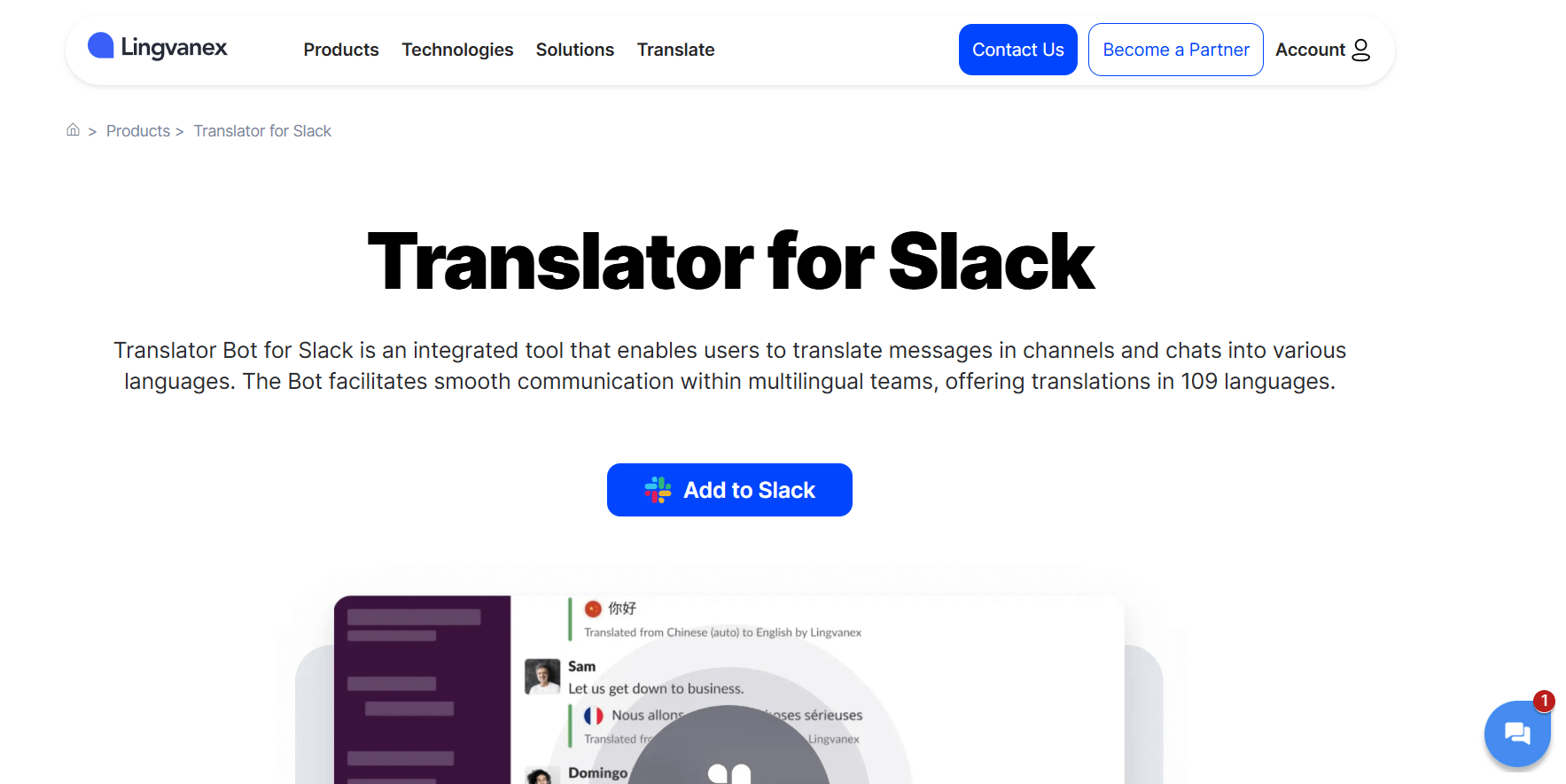
Lingvanex Translator Bot is a Slack translation app that enables teams to translate messages instantly inside Slack channels. It supports 100+ languages, making it an effective tool for global and multilingual teams.
Instead of switching to external translation tools, users can translate messages directly in Slack while keeping the original message visible for context.
Key Features
- Automatic message translation directly in Slack channels;
- One-click translation of teammate messages while keeping the original text visible;
- /translate command for quick manual translations inside Slack;
- Seamless integration that enables multilingual conversations without message duplication;
- Optional on-premise deployment for secure local translation and data protection;
Best For
- international teams;
- multilingual companies;
- global customer support teams;
Pricing
Free plan available. Premium plans start at $49/month.
2. Zoom – Video Conferencing App for Slack
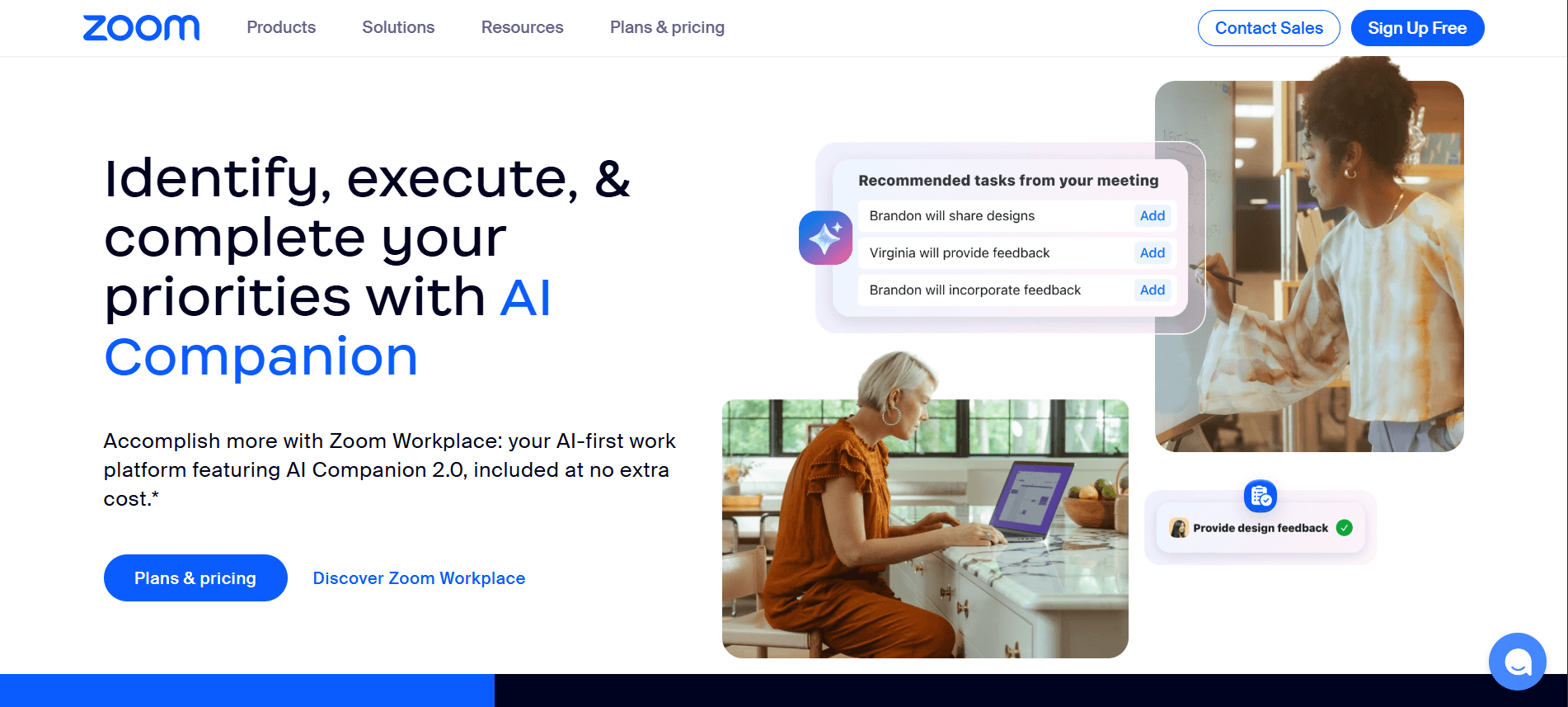
Zoom is a leading video conferencing platform trusted by millions of teams worldwide. Its Slack integration enables users to start or schedule Zoom meetings directly from Slack without switching platforms.
Key Features
- Start meetings with the /zoom command;
- Schedule Zoom calls directly from Slack;
- Receive meeting reminders and updates;
- Share recordings and meeting summaries.
Best For
Remote and distributed teams that rely on frequent video communication.
Pricing
Free plan available with time limits on group meetings. Paid plans start from $13/month.
3. Trello – Project Management App for Slack
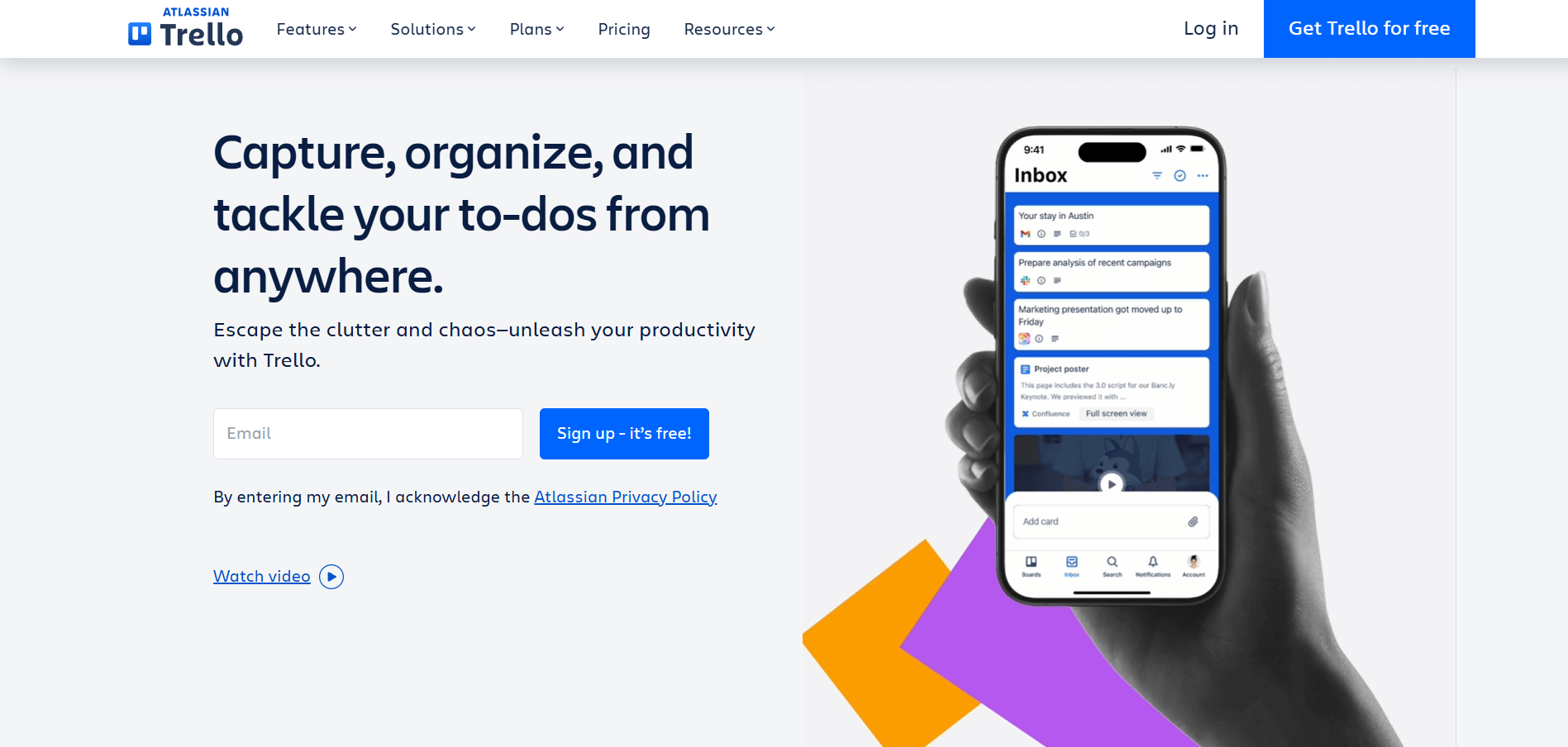
Trello is a popular project management platform that helps teams organize tasks using visual boards, lists, and cards. When integrated with Slack, Trello allows teams to manage projects, track updates, and collaborate on tasks without leaving the Slack workspace.
This integration makes it easy to turn conversations into actionable tasks and keep project discussions connected to the work itself.
Key Features
- Create Trello cards from Slack messages;
- Attach Slack conversations to Trello cards;
- Receive real-time notifications about task updates;
- Share boards and project activity in Slack channels.
Best For
Teams that use visual project management and want to coordinate tasks directly inside Slack.
Pricing
Free plan available with core features. Paid plans start from $5 per user per month.
4. Asana – Task and Project Management for Slack
Asana is a widely used project management platform that helps teams organize work, manage tasks, and track project progress. When integrated with Slack, Asana allows teams to create tasks, receive updates, and monitor deadlines directly from Slack channels.
This integration helps teams stay aligned on priorities and responsibilities while keeping project discussions connected to actual tasks.
Key Features
- Create tasks directly from Slack messages;
- Assign tasks to team members;
- Receive notifications about due dates and task updates;
- Get alerts when comments or project changes occur.
Best For
Teams that need structured task management and want to track projects without leaving Slack.
Pricing
Free plan available for small teams. Paid plans start from $10 per user per month.
5. Giphy – GIF Integration for Slack
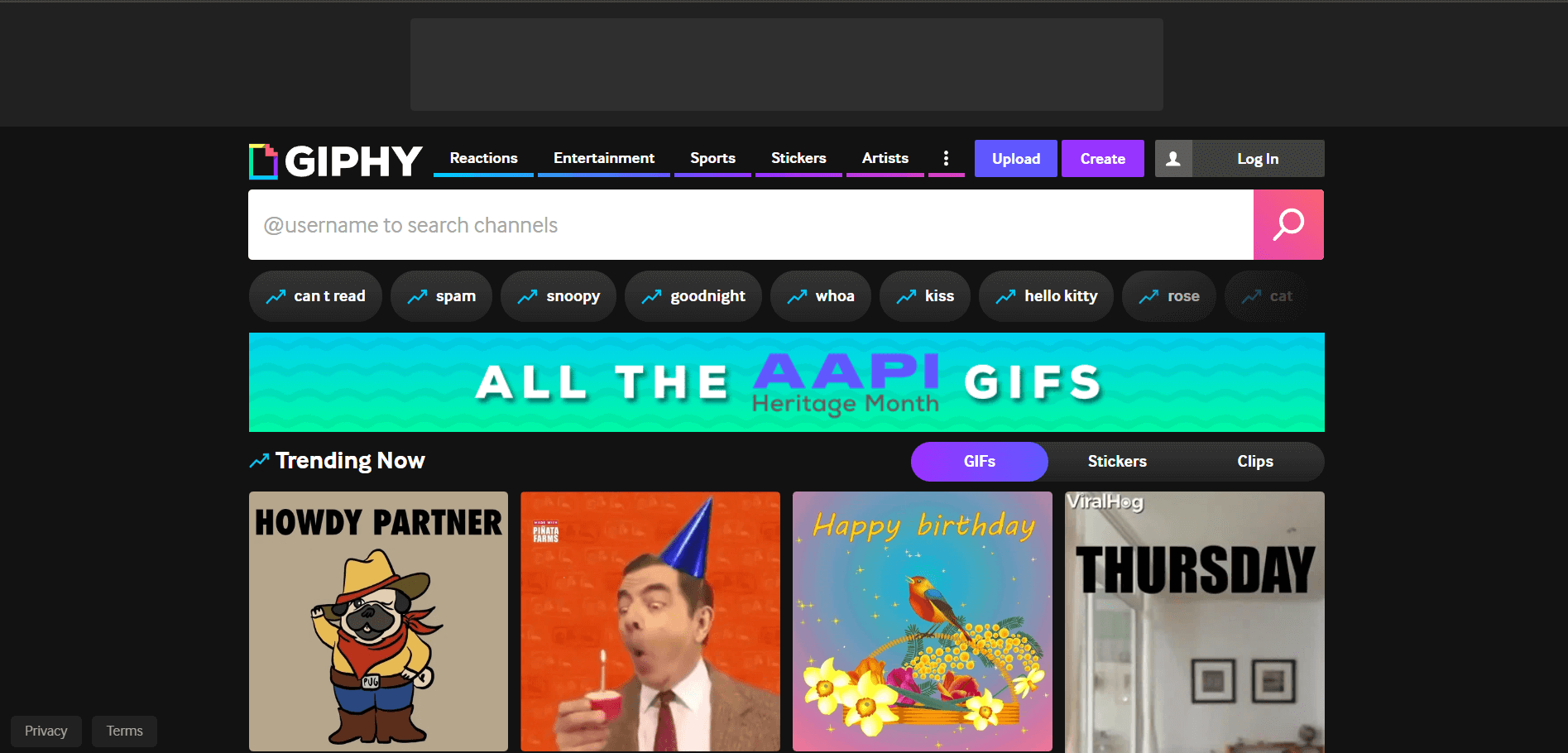
Giphy is a popular GIF platform that allows users to search, share, and create short looping animations. The Giphy Slack integration adds a fun and expressive element to team communication by enabling users to quickly send GIFs in Slack channels.
While simple, this integration can make conversations more engaging and help build a more relaxed and interactive team culture.
Key Features
- Search GIFs using the /giphy command;
- Access a large library of animated GIFs;
- Share GIFs instantly in Slack channels;
- Add humor and personality to team communication.
Best For
Teams that want to make internal communication more engaging and interactive.
Pricing
Free to use. No paid plans required.
6. TimeBot – Time-Off Management App for Slack
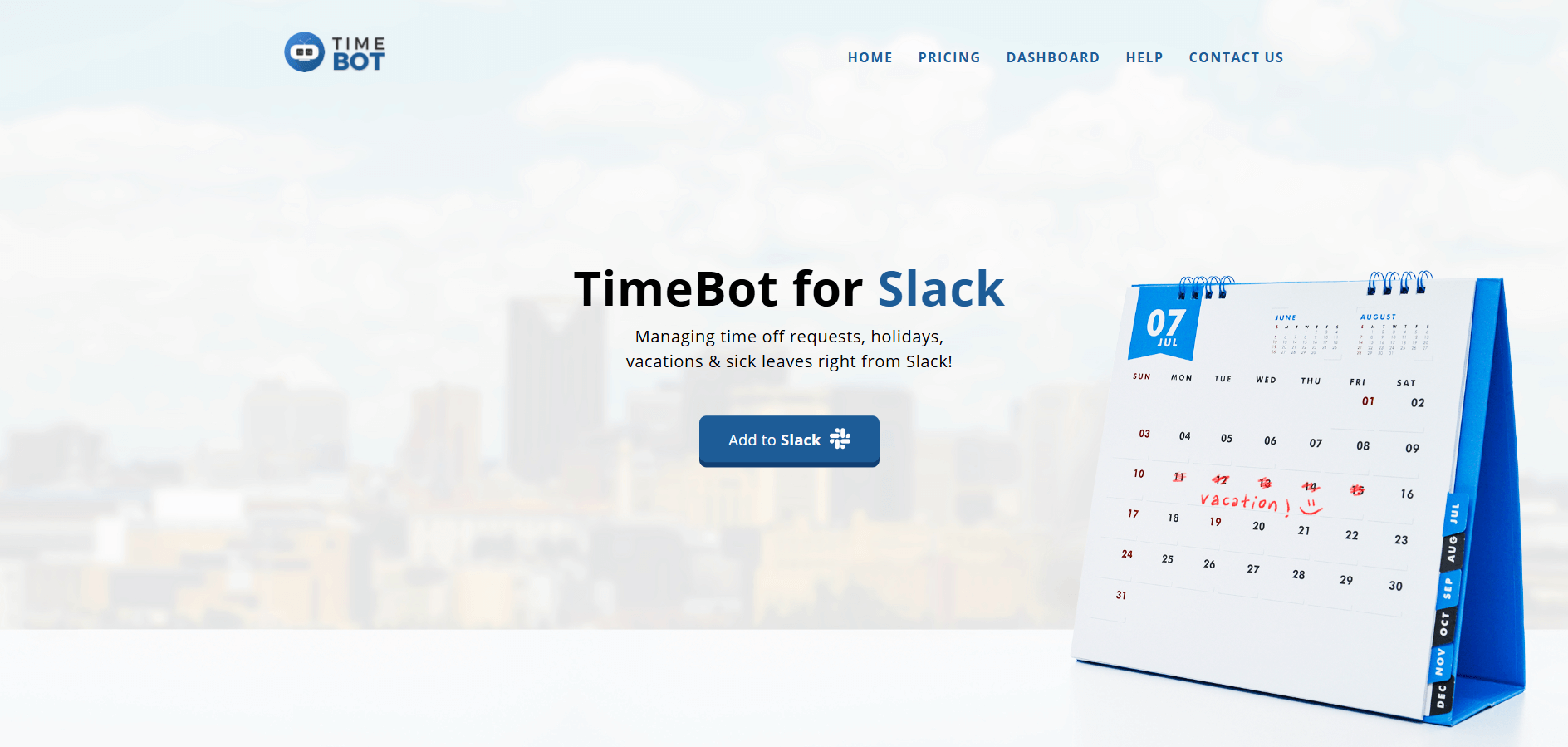
TimeBot is a productivity and HR automation tool that helps teams manage time-off requests directly within Slack. Instead of using emails or external systems, employees can submit vacation, sick leave, or remote work requests through Slack, while managers receive instant notifications to approve or decline them.
By simplifying leave management and internal communication, TimeBot helps teams keep schedules organized and reduces administrative overhead.
Key Features
- Submit vacation, sick leave, or remote work requests directly in Slack;
- Send automatic notifications to managers for approval;
- Track team availability and leave status;
- Simplify HR communication without email chains.
Best For
Teams that want to streamline HR processes and manage employee leave requests directly inside Slack.
Pricing
Free plan available for small teams. Paid plans start from $1 per user per month.
7. Matter – Feedback and Recognition App for Slack
Matter is a team feedback and recognition platform that integrates directly with Slack to help organizations build a positive and supportive workplace culture. With Matter, employees can easily send praise, share feedback, and recognize colleagues for their contributions without leaving Slack.
By encouraging regular recognition and open feedback, Matter helps teams strengthen engagement, boost morale, and support continuous improvement across the organization.
Key Features
- Send kudos and recognition messages to teammates;
- Share structured feedback using customizable templates;
- Provide anonymous feedback when needed;
- Encourage regular team appreciation and engagement.
Best For
Teams that want to strengthen company culture and promote peer recognition within Slack.
Pricing
Free basic plan available. Paid plans typically range from $3 to $5 per user per month.
8. Zapier – Workflow Automation for Slack
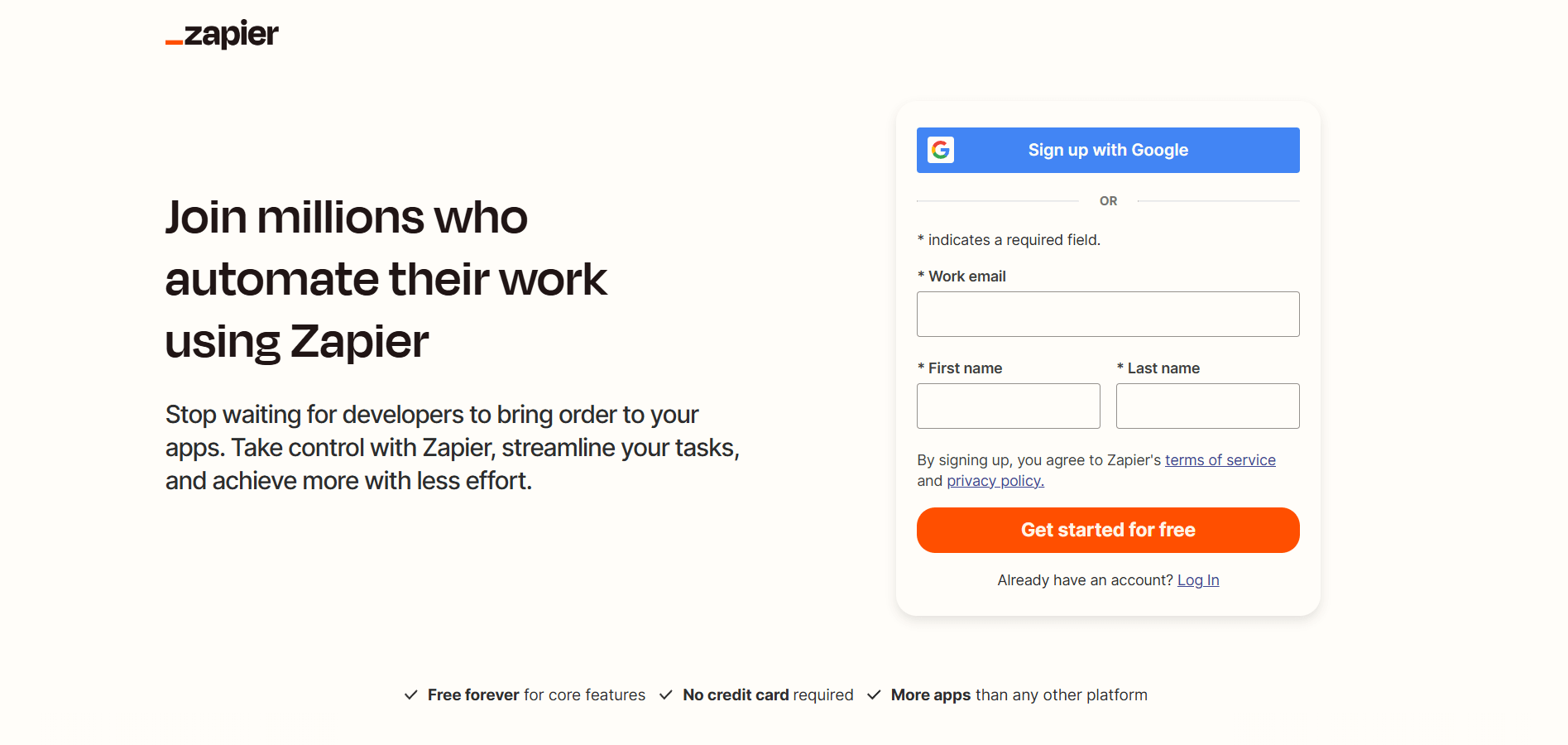
Zapier is a powerful automation platform that connects Slack with thousands of other business applications, including Google Sheets, Gmail, Trello, and CRM systems. With the Zapier Slack integration, teams can automate repetitive workflows and trigger actions across different tools without writing any code.
By creating automated workflows (called “Zaps”), teams can automatically send notifications, update data, or trigger tasks whenever specific events occur in connected apps.
Key Features
- Create no-code automations between Slack and other apps;
- Trigger actions in Slack based on activity in external tools;
- Connect Slack with tools like Google Sheets, Gmail, and Trello;
- Automate notifications, updates, and task creation.
Best For
Teams that want to automate repetitive workflows and connect Slack with their existing software stack.
Pricing
Free plan available with limited monthly tasks. Paid plans start from $19 per month.
9. Workast – Task Management App for Slack
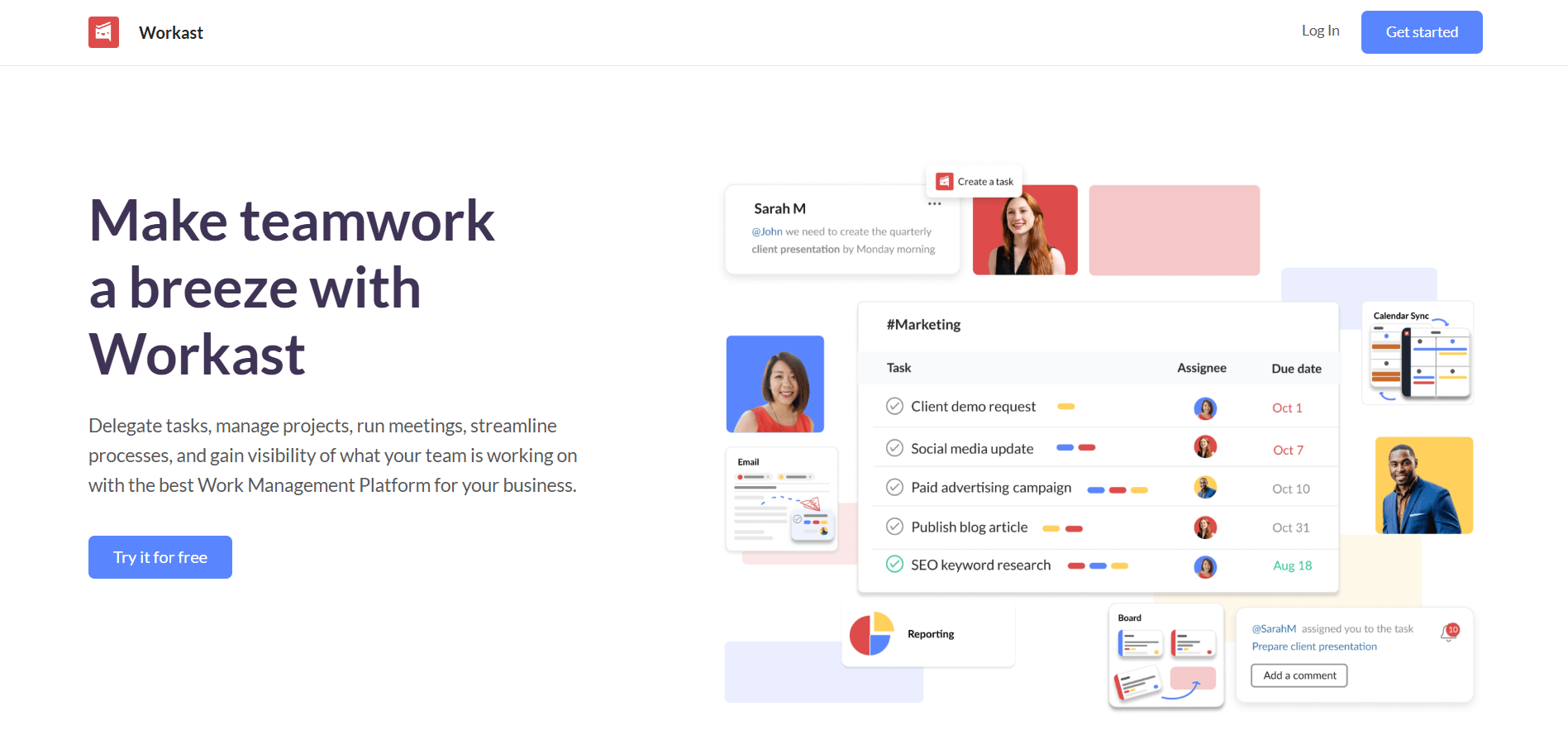
Workast is a task management tool designed specifically for Slack-first teams. It allows users to organize tasks, track progress, and manage project deadlines directly within Slack, eliminating the need to switch to separate project management platforms.
By turning Slack messages into actionable tasks, Workast helps teams stay organized and ensures that important work items are not lost in conversations.
Key Features
- Create tasks directly from Slack messages;
- Assign tasks to team members;
- Set deadlines and track task progress;
- Organize tasks into shared lists and projects.
Best For
Teams that rely heavily on Slack and want simple task management without adding complex project management tools.
Pricing
Free plan available with basic features. Paid plans start from $39 per month for advanced functionality.
10. Geekbot – Asynchronous Standup Bot for Slack
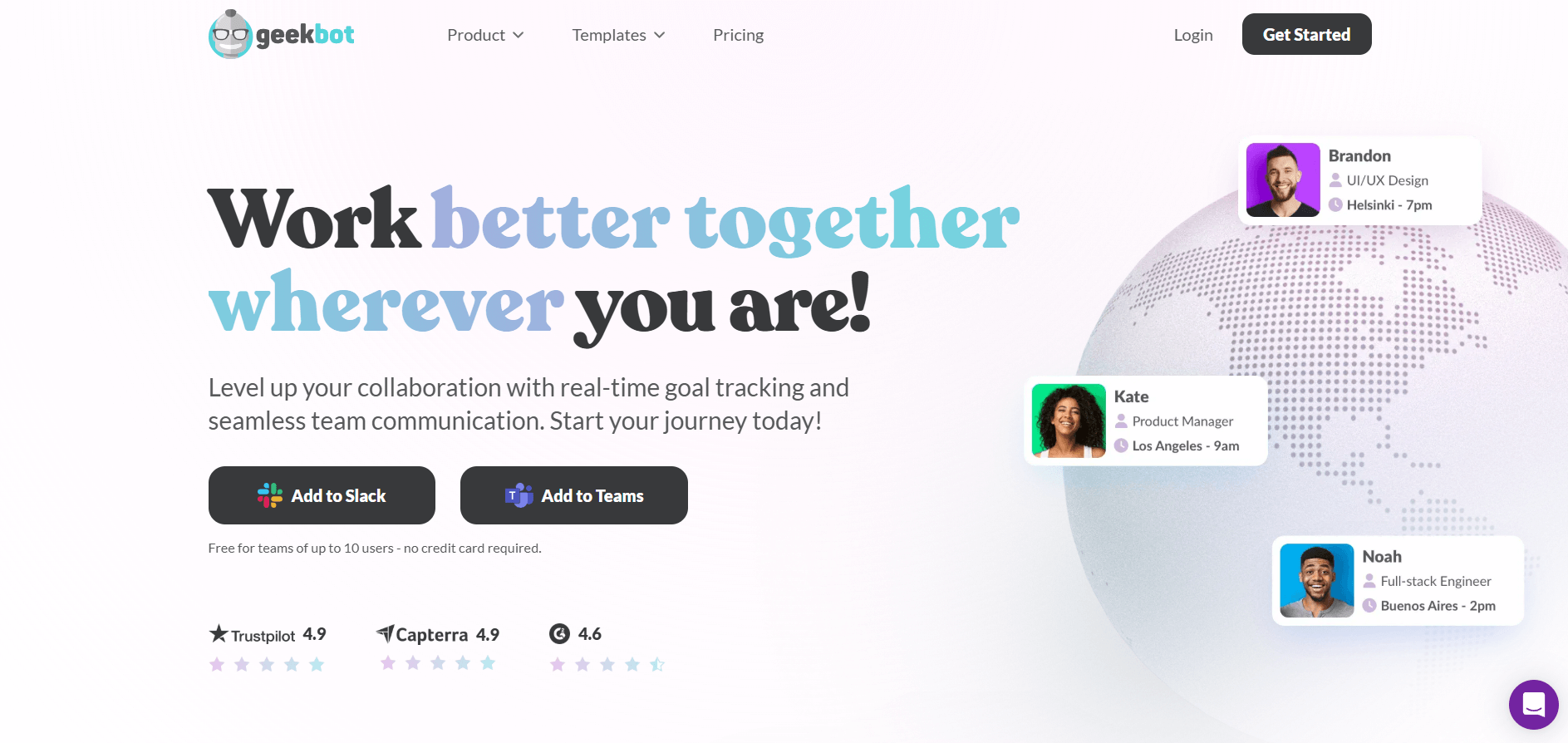
Geekbot is an asynchronous standup and check-in bot designed to help teams share updates without scheduling daily meetings. Integrated with Slack, Geekbot automatically asks team members for updates, collects responses, and posts summaries in Slack channels.
This approach helps remote and distributed teams stay aligned while reducing the need for time-consuming standup meetings.
Key Features
- Automate daily standups and status updates;
- Collect responses from team members asynchronously;
- Share summarized reports in Slack channels;
- Schedule recurring check-ins and team surveys.
Best For
Remote and hybrid teams that want to track progress and share updates without holding daily meetings.
Pricing
Free plan available for small teams. Paid plans start from $2 per user per month.
How to Choose the Best Slack Apps for Your Team
With thousands of integrations available in the Slack App Directory, selecting the right apps can quickly become overwhelming. Instead of installing dozens of tools, it’s better to focus on integrations that genuinely improve your team’s workflow and productivity.
Use this quick checklist to identify the most useful Slack apps for your workspace.
Slack App Selection Checklist
- Define Your Team’s Main Workflow Needs. Identify what your team wants to improve: task management, automation, communication, HR processes, or collaboration for remote teams.
- Check Integration with Existing Tools. Choose apps that connect Slack with the platforms your team already uses, such as project management tools, CRMs, cloud storage, or analytics services.
- Evaluate Ease of Use. The best Slack apps should be simple to install and easy for the entire team to use without complex setup or training.
- Review Security and Permissions. Before installing any integration, check what data and workspace permissions the app requires to ensure it meets your company’s security standards.
- Test the Free Plan First. Many Slack apps provide powerful free tiers that allow teams to evaluate functionality before upgrading to paid plans.
- Avoid Installing Too Many Apps. Too many integrations can create notification overload and clutter your workspace. Focus on the tools that bring the most value.
By following this checklist, you can build a Slack workspace that supports productivity, reduces manual work, and helps your team collaborate more effectively.
How Free Slack Apps Help Teams Work More Efficiently
Free Slack apps can significantly expand the functionality of your workspace and help teams work more efficiently. By integrating the right tools, organizations can automate routine processes, improve communication, and manage projects directly within Slack.
For startups and growing companies, these integrations provide access to powerful productivity tools without additional software costs. From workflow automation and task management to communication and team engagement, Slack apps help teams build a flexible and scalable collaboration environment.
As digital workflows continue to evolve, the right Slack integrations allow teams to stay organized, reduce manual work, and maintain high productivity as their business grows.
Conclusion
Free Slack apps help teams extend the functionality of their workspace without adding new tools or increasing software costs. With the right integrations, companies can automate workflows, manage tasks, and improve communication directly inside Slack.
By choosing apps that match their workflow needs, teams can build a more organized and productive collaboration environment while keeping daily work simple and efficient.